As a leading provider of electric vehicle charging solutions, we offer a range of reliable and efficient chargers that include both AC and DC charging.
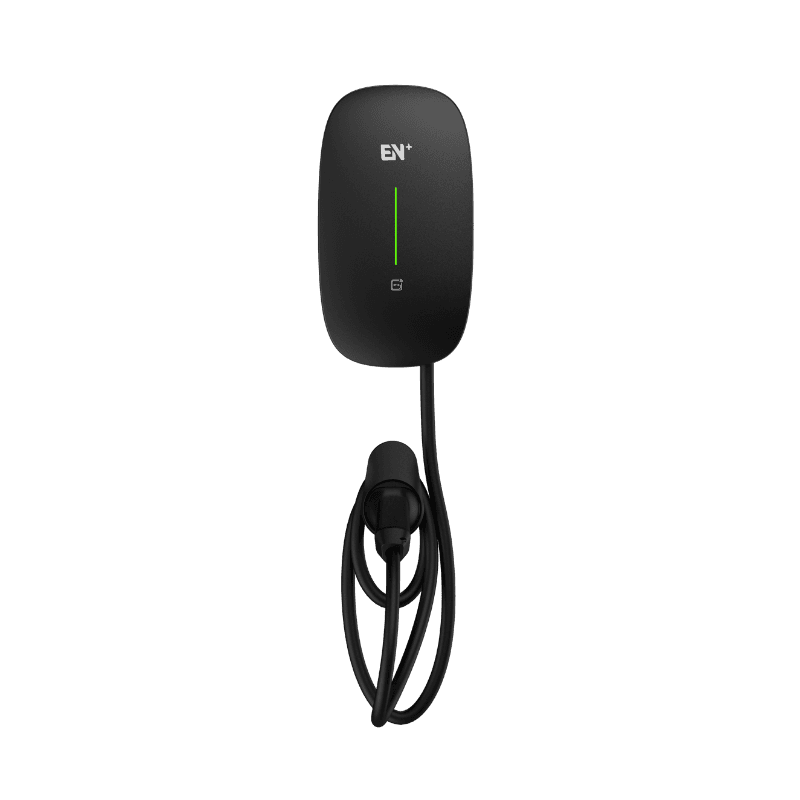
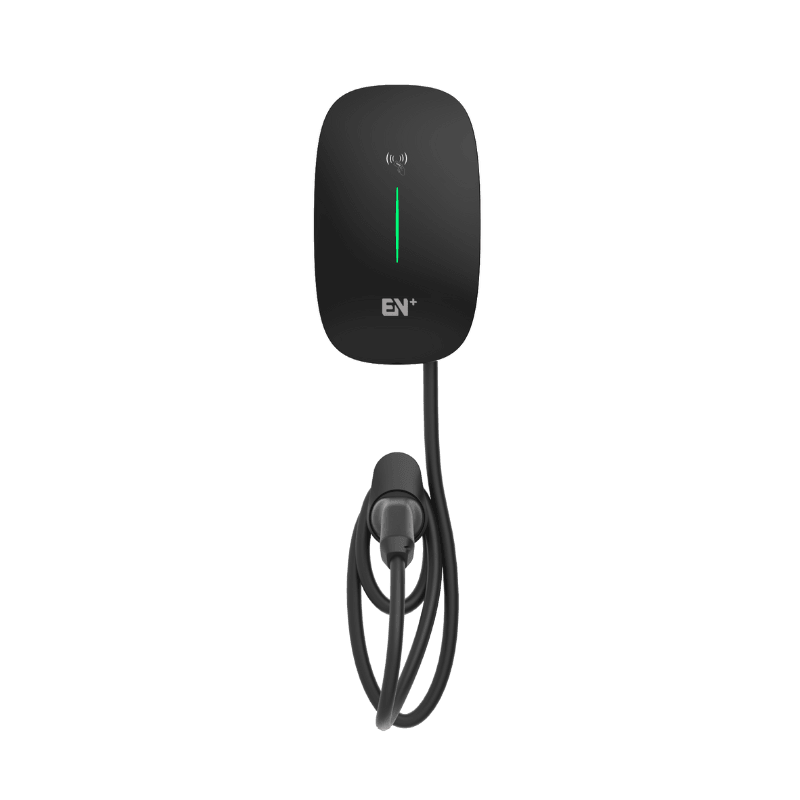
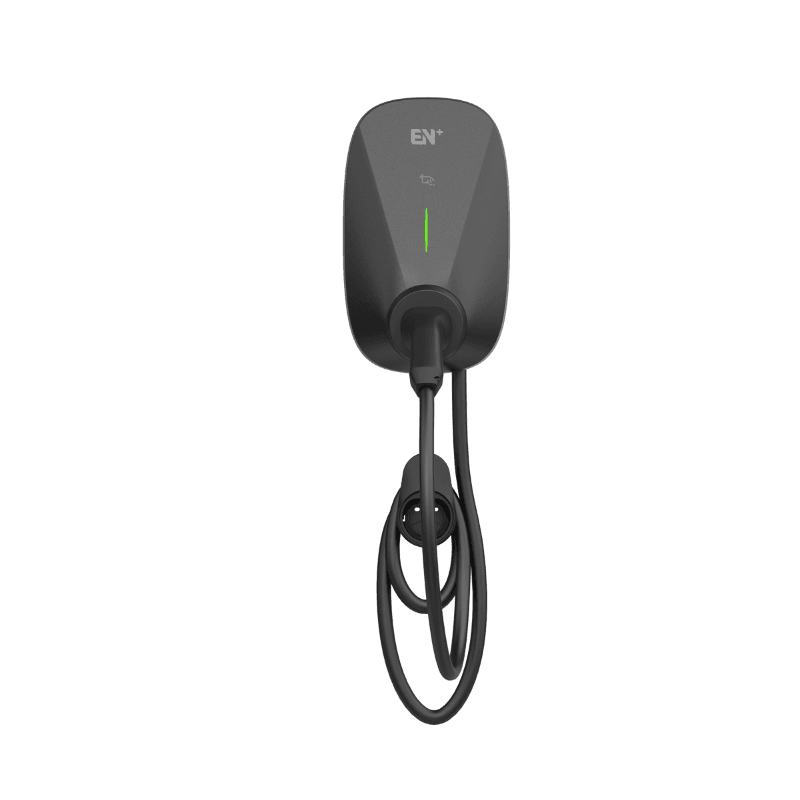
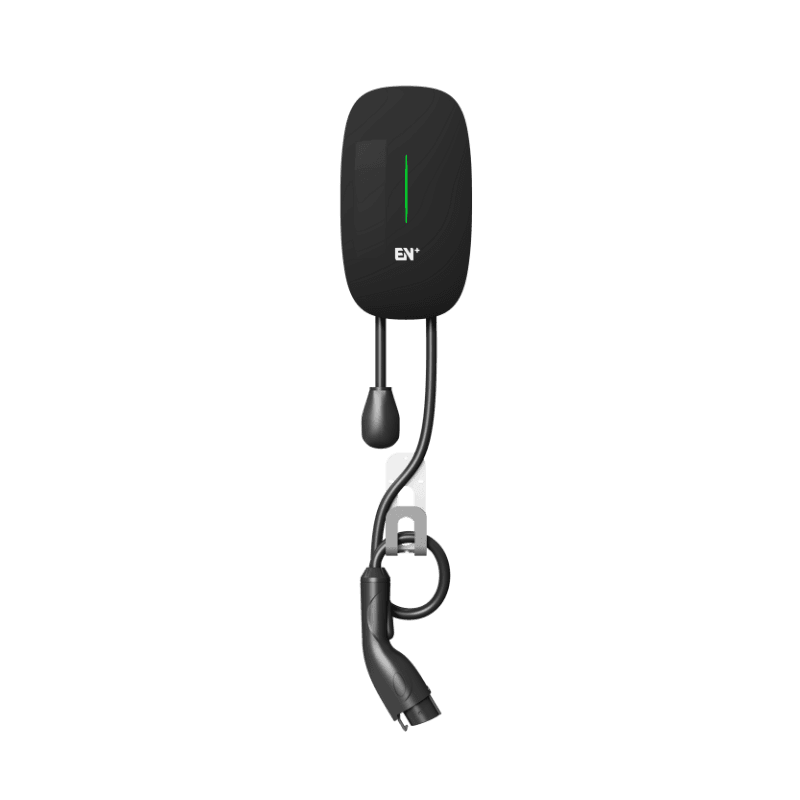
Caro Plus is a premium home charging solution tailored for European households. Built on automotive-grade standards, it delivers outstanding durability and performance trusted by leading automakers.
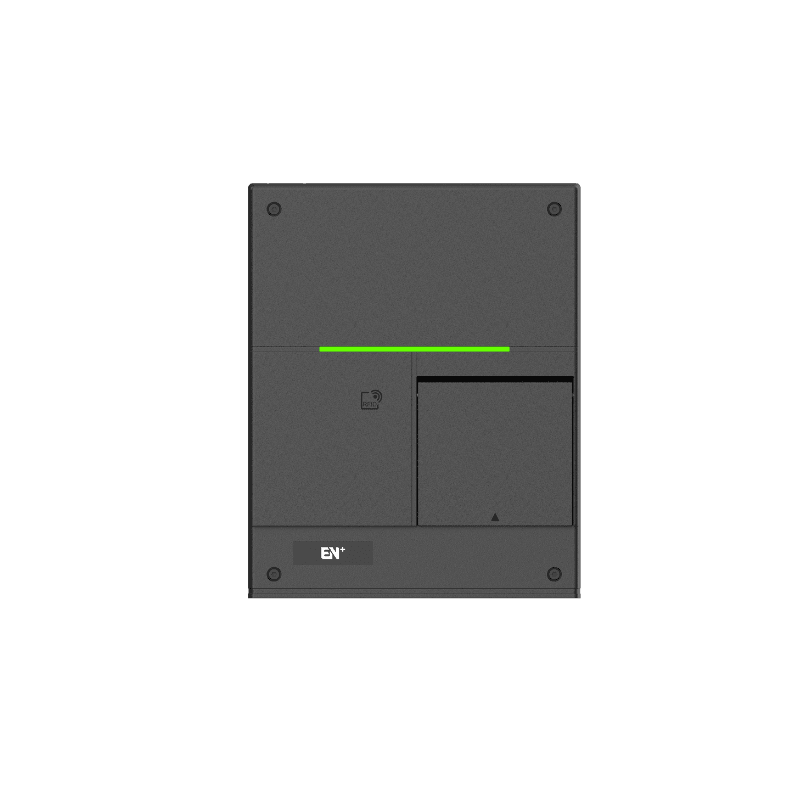
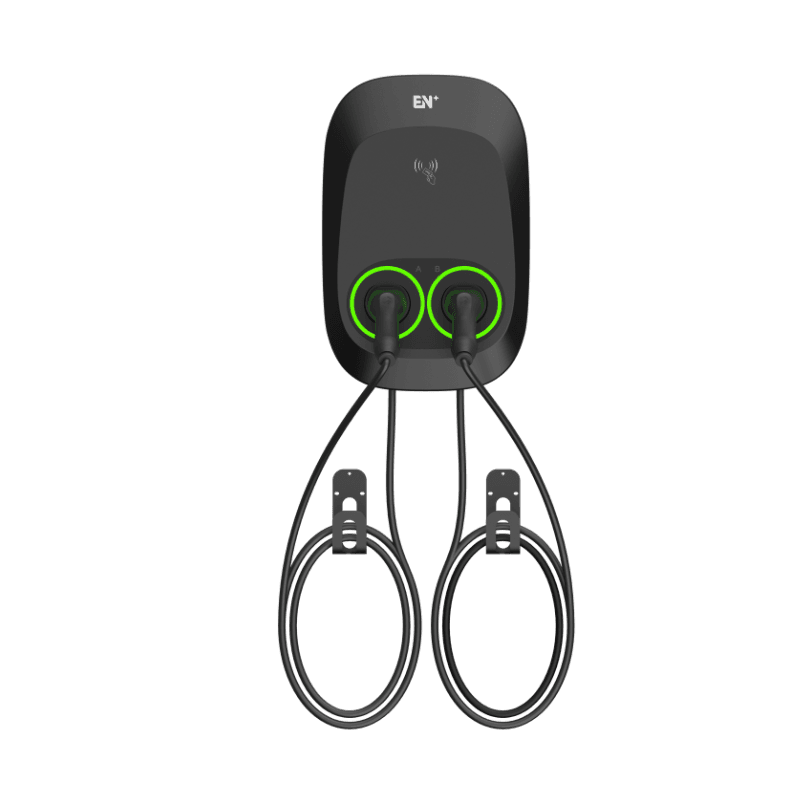
Argo Pro AC Charger is tailored for commercial and semi-public use, equipped with an HD display and advanced communication features, supporting multiple payment methods.
Caro Pro Series Home Wallbox embodies environmental responsibility by supporting PV charging & dynamic load balancing, helping reduce electricity costs, meet green objectives with smart energy use.
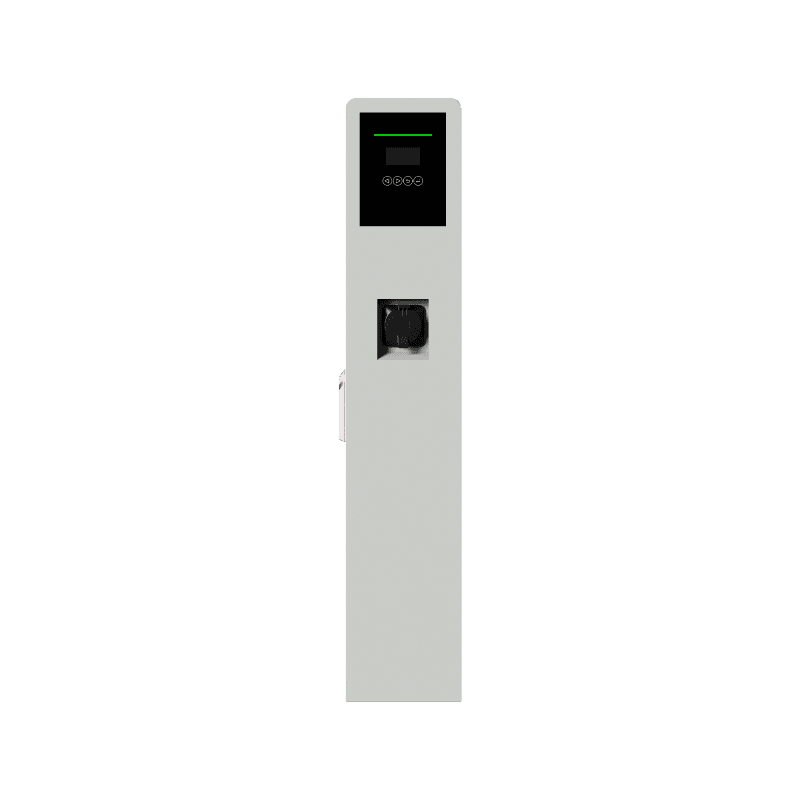
Saro Series Home Wallbox meets homeowners’ needs with its compact design, dynamic load management system, and user-friendly app for convenient operation and maintenance.
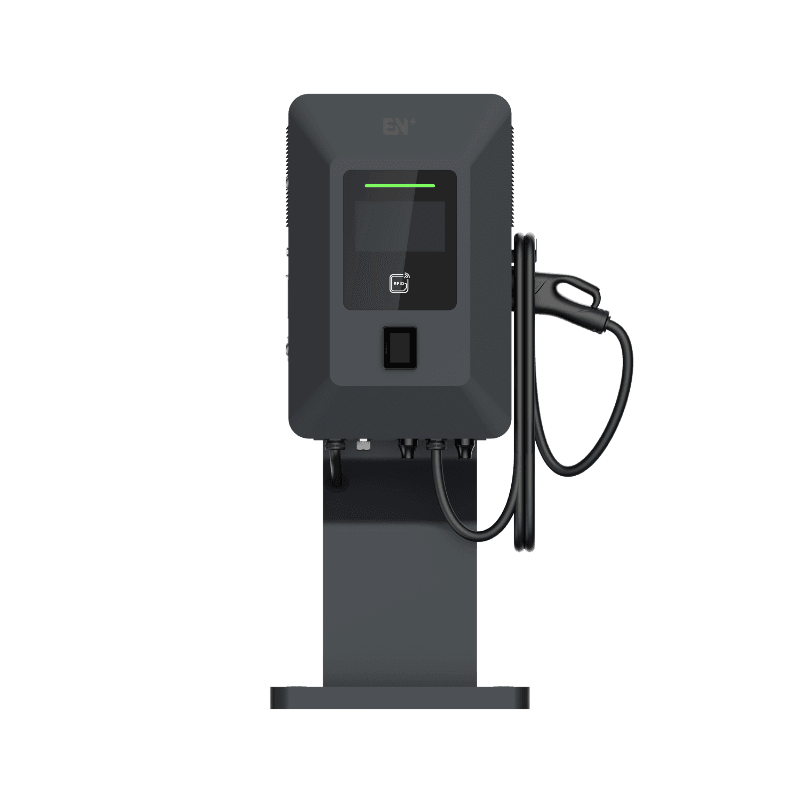
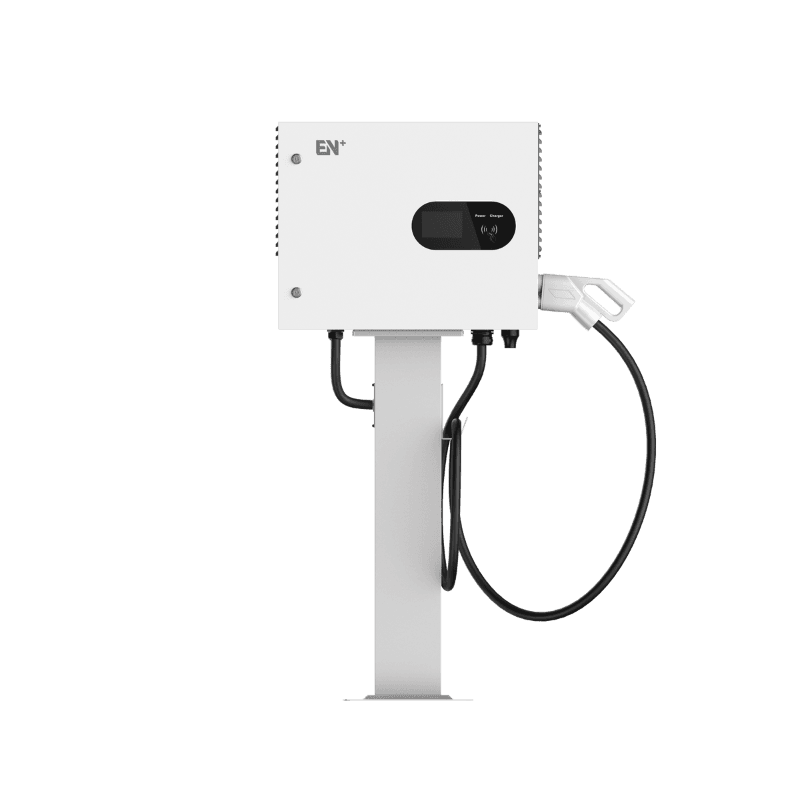
Mobox Series DC Charger features an integrated design characterised by compact size and lightweight construction. It allows for quick power connection, easy mobility and convenient vehicle transport.
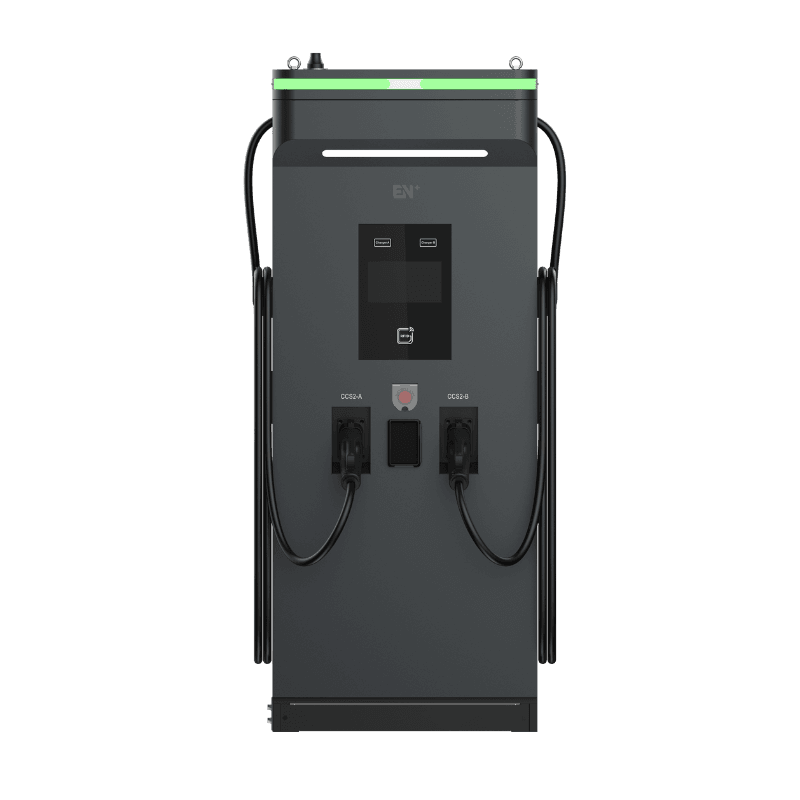
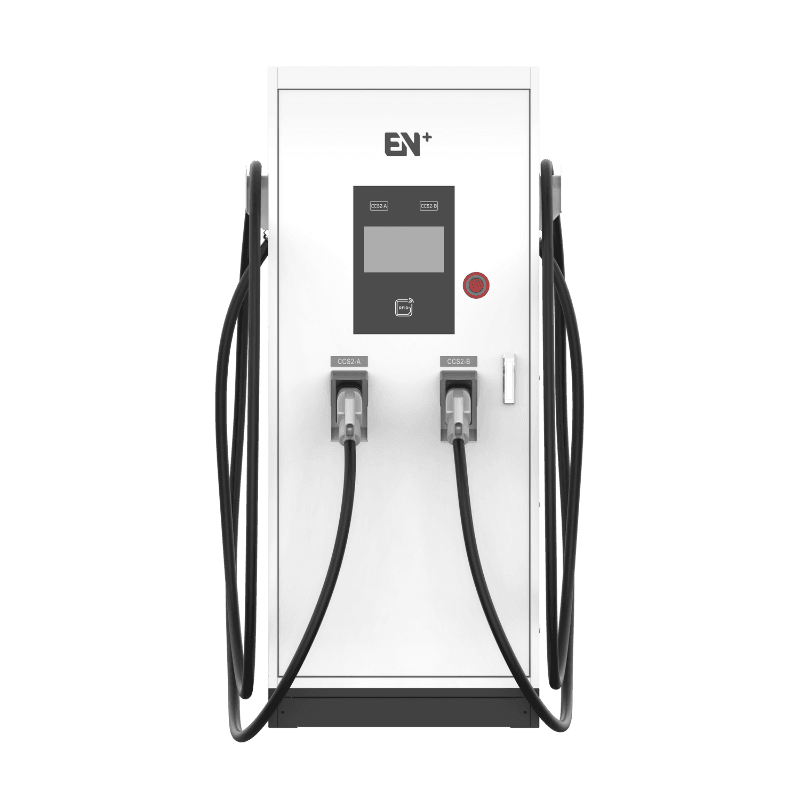
Rocket Series DC Charger uses a constant power module to reduce charging time with high current output. It smartly allocates power to meet different charging needs for
safe and fast charging.
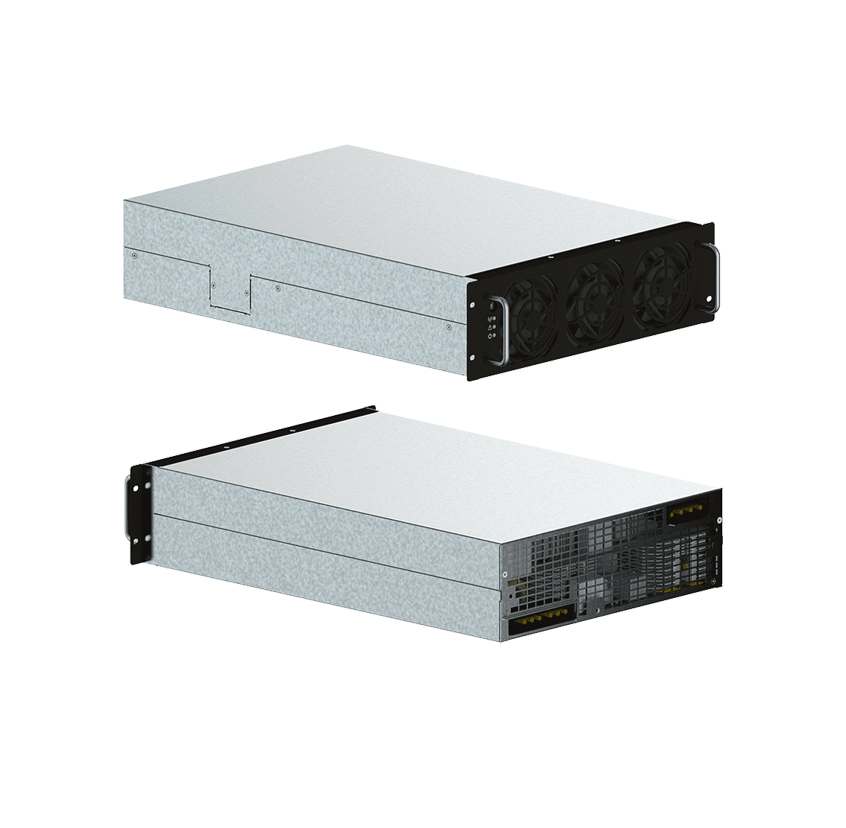
EN Plus provides a comprehensive range of charging solutions, including AC chargers ranging from 3.5kW to 22kW, fast DC charging stations up to 300kW, and power modules.
In addition to our hardware offerings, we also provide a suite of supporting charging management software, which enables you to manage your charging stations more efficiently.
With our end-to-end software and hardware solutions, you can build a complete and reliable EV charging network that meets the needs of your business and customers.
Charge EVs in minutes with fast charging solutions for on-the-go locations.
EV Charger FAQs
What type of charging station should I choose?
Choosing the right charging station depends on your specific needs and goals. Here are some considerations for AC and DC charging stations and how they align with different businesses: Residential: Type: AC Chargers (Level 2) Advantages: Practical for overnight home charging, convenient for residents with electric vehicles. Business Alignment: Property developers can attract environmentally aware homebuyers and tenants. Shopping Mall: Type: AC Chargers (Level 2) Advantages: Provide moderate-speed charging for shoppers. Business Alignment: Enhance visitor experience and attract eco-conscious shoppers. Hotel or Resort: Types: AC Chargers (Level 2) and DC Fast Chargers (Level 3) Advantages: Cater to overnight guests and travelers passing through. Business Alignment: Attract eco-conscious travelers and provide an additional amenity. Commercial Parking Garages: Types: AC Chargers (Level 2) and DC Fast Chargers (Level 3) Advantages: Provide charging options for daily commuters and those needing quick charges. Business Alignment: Generate additional revenue and attract environmentally conscious commuters. Tourist Attractions: Types: AC Chargers (Level 2) and DC Fast Chargers (Level 3) Advantages: Cater to local visitors and travelers exploring the area. Business Alignment: Attract eco-tourists and encourage longer stays. Fleet Operations: Type: DC Fast Chargers (Level 3) Advantages: Ideal for fleets, charge rapidly and reduce downtime. Business Alignment: Benefit delivery companies or taxi services. Gas Station: Type: Combination of AC (Level 2) and DC Fast Chargers (Level 3) Advantages: Attract local customers and long-distance travelers. Business Alignment: Diversify services and remain relevant in the era of electric mobility.
What is the difference between home EV chargers and commercial EV chargers?
The primary distinction between home EV chargers and commercial EV chargers lies in their intended purpose and usage. Home EV Chargers: Designed for residential use, typically installed in a homeowner’s garage or driveway. Serve the purpose of charging personal electric vehicles. Convenient for daily charging needs, but slower compared to commercial chargers. Compact, user-friendly, and often integrated with the homeowner’s electrical system. Managed through mobile apps for scheduling and monitoring. Commercial EV Chargers: Tailored for public, workplace, and commercial use. Cater to a broader audience, including employees, customers, visitors, and fleet vehicles. Found at various locations such as shopping malls, office parking lots, gas stations, airports, and public charging stations. Offer different charging levels, including fast DC charging (Level 3) to meet quick charging needs. Feature advanced functionalities such as payment processing, authentication methods, and remote management systems. Designed to withstand high usage and compatible with various EV models.
Are EV chargers compatible with every car?
EV chargers do not universally support all-electric vehicles (EVs). Compatibility between an EV and a charger depends on several key factors:
Charging Port Type: Different EVs are equipped with various types of charging ports. Common connector types include CHAdeMO, CCS (Combined Charging System), and Tesla’s proprietary connector. For successful charging, the charger must have a matching plug or adapter to align with the vehicle’s charging port.
Charging Standards: EVs adhere to distinct charging standards, such as Level 1 (120V AC), Level 2 (240V AC), and Level 3 (DC fast charging). Compatibility hinges on whether the charger supports the same charging standard as the EV.
Charging Speed: Chargers have varying power outputs dictating the charging speed. EVs must be compatible with the charger’s power level to use it efficiently. For instance, a Level 3 DC fast charger may not be suitable for an EV designed solely for Level 2 charging.
Adapter Requirements: Some EVs necessitate adapters to interface with specific charger types. Tesla vehicles, for example, often require an adapter to connect to non-Tesla chargers.
Voltage and Frequency Matching: The charger’s input voltage and frequency must align with the electrical system of its installation location. This consideration becomes crucial, especially for international travel. It’s worth noting that choosing EN Plus ensures comprehensive compatibility, allowing you to charge your EV seamlessly across various charger types.
Find the right EV charging solution for your business
Let us help you find the solution to grow your profitable business.